
Top Carbon Steel Strip Manufacturer in China for Quality & Durability
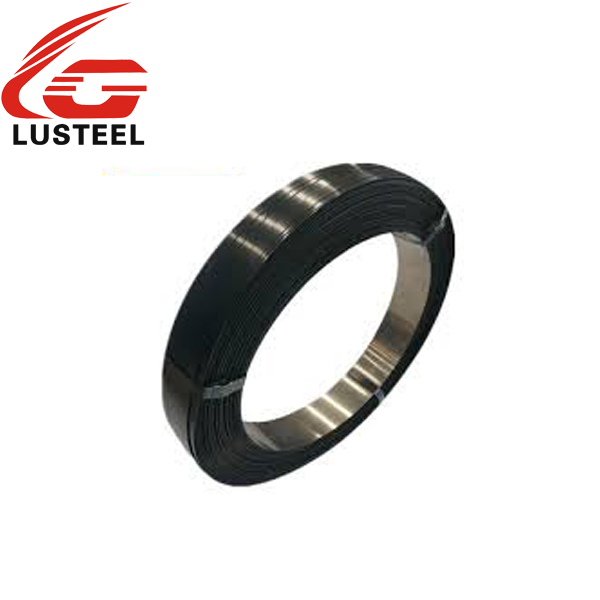
When searching for high-quality carbon steel strips, my experience has shown that choosing the right manufacturer is key. I’ve worked with various suppliers, and I’ve found that our products from China stand out in terms of durability and precision. These carbon steel strips are crafted with meticulous attention to detail, ensuring they meet the rigorous demands of various industries. Whether you're in automotive, construction, or heavy machinery, our strips provide the strength and flexibility you require. The competitive pricing we offer, along with our commitment to customer satisfaction, makes us a trusted partner for many businesses looking to optimize their production processes. Don't overlook the importance of quality materials—investing in reliable carbon steel strips can significantly impact your operations. If you’re considering sourcing from a manufacturer in China, just know our products can deliver exceptional results time and again. Let’s take your projects to the next level!


Carbon Steel Strip Application Ahead of the Curve
In the dynamic landscape of industrial materials, carbon steel strip has emerged as a superior choice across various applications, driving efficiency and innovation. As industries worldwide continue to evolve, the demand for high-quality carbon steel strips has surged, making it a vital component for manufacturers looking to remain competitive. Known for its versatility, durability, and excellent mechanical properties, carbon steel strip is increasingly used in automotive, construction, and appliance sectors, among others. One of the most significant advantages of carbon steel strips is their capacity for customization. They can be produced in various thicknesses, widths, and grades, catering to specific project requirements. This adaptability not only aids in meeting rigorous industry standards but also enhances product performance by allowing manufacturers to optimize their designs. Furthermore, carbon steel's ability to be further processed, such as through bending or welding, enables it to fit seamlessly into diverse applications, from structural components to detailed metalworking. Investing in high-quality carbon steel strips not only ensures superior product outcomes but also denotes a commitment to sustainability. The production processes employed today focus on minimizing environmental impact while maintaining efficiency. As global procurement trends shift towards more environmentally conscious practices, thus understanding the benefits of carbon steel strips positions your business ahead of the curve, equipping you to meet the growing demand for reliable and sustainable materials in a rapidly changing market.
Carbon Steel Strip Application Ahead of the Curve
| Application | Description | Advantages | Common Standards |
|---|---|---|---|
| Automotive Parts | Used in the manufacturing of various automotive components such as springs and chassis. | High strength and durability, cost-effective. | ASTM A1008, JIS G3141 |
| Construction | Utilized in building scaffolding systems and support structures. | Excellent load-bearing capacity, readily available. | ASTM A569, EN 10139 |
| Electrical Appliances | Used for components like connectors and housings. | Good electrical conductivity, ease of fabrication. | ASTM A366, ISO 3574 |
| Manufacturing | Applied in the production of various industrial tools and equipment. | Versatile, high tensile strength. | RDS 174, ASTM A668 |
| Aerospace | Used in non-critical components for weight savings. | Lightweight, good mechanical properties. | AMS 5010, ASTM A684 |
Related Products


Carbon Steel Strip Supplier Trusted by Pros
Top Selling Products



- Related Blog
- Reviews
